
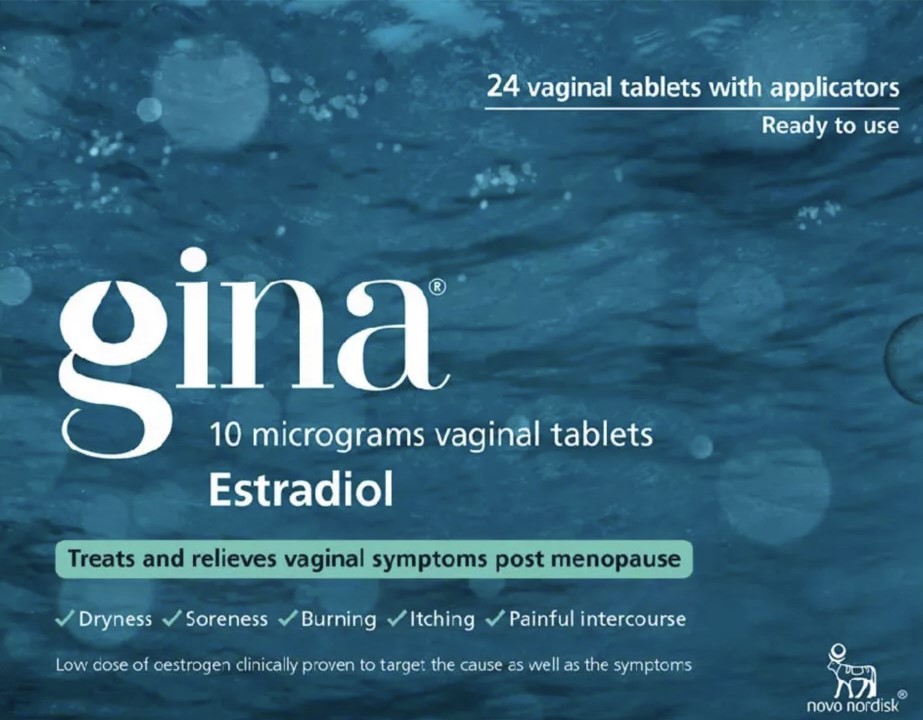

Urogenital atrophy, resulting from a decline in estrogen levels, can impact various parts of the urogenital system, including the bladder, urethra, vulva, and vagina. This condition is characterized by symptoms such as vaginal dryness, itching, burning, pain during sexual intercourse, and urinary issues like increased frequency, urgency, and pain while urinating, which can also affect libido.

Treatment options for urogenital atrophy include:
Non-Hormonal Lubricants and Moisturizers:
Non-hormonal lubricants and moisturizers are the first-line recommended treatment for women for whom estrogen therapy is contraindicated, such as those diagnosed with breast cancer or those taking aromatase inhibitors.
Vaginal moisturizers like REPLENS, SYLK, and YES are advised to be used twice weekly regardless of sexual activity to replace vaginal secretions and alleviate dryness. Lubricants can be applied during sexual activity to reduce discomfort.

Local Estrogens:
Local or topical estrogen therapies are considered extremely safe and are now available over the counter.
Vaginal estrogen products increase blood flow and vaginal secretions, promoting vaginal health.
These products are available in various forms, including pessaries, creams, gels, or a ring. They can be used in breast cancer survivors but are contraindicated in individuals on aromatase inhibitors.

Other Treatment Options:
Other treatment modalities, such as vaginal DHEA, ospemifene, and laser therapy, are available but are typically prescribed in specialized centers.
Understanding and addressing urogenital atrophy is crucial for maintaining vaginal health and overall well-being. Consultation with a healthcare provider can help determine the most suitable treatment approach based on individual circumstances and medical history.
Ready to take the next step?
Book a consultation with Cardiff Menopause Clinic today.