
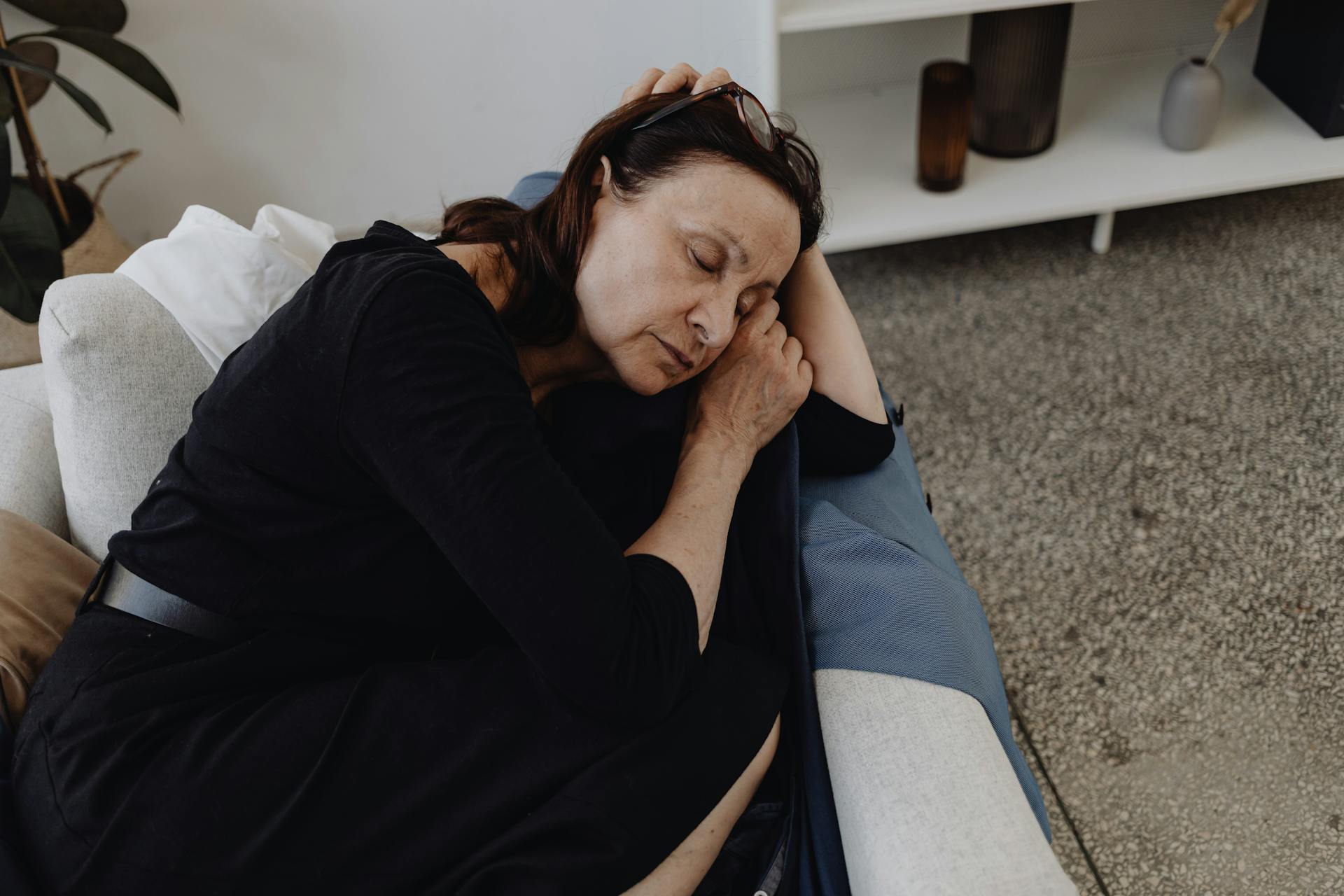
If you’re waking during the night, struggling to fall asleep, or feeling exhausted despite going to bed early, you’re not alone. Sleep problems are very common during perimenopause and menopause, and they can be one of the most frustrating symptoms women experience.
The reassuring news is that there are clear reasons why menopause affects sleep — and practical ways to improve it.
Why does menopause affect sleep?
Sleep changes during menopause often happen because several things are happening at the same time.
Hormone changes
As hormone levels change, particularly oestrogen and progesterone, the brain’s sleep regulation can be affected. Progesterone has a naturally calming effect, so when levels fall, sleep may become lighter and more broken.
Night sweats and hot flushes
Waking up hot, sweaty, or with a racing heart is a common reason women wake during the night. Even mild night sweats can stop you from getting deep, restful sleep.
Anxiety and a busy mind
Hormonal changes can increase anxiety and low mood. Many women describe feeling “tired but wired” — exhausted, but unable to switch off at night.
Lighter sleep with age
As we get older, sleep naturally becomes lighter, making it easier to wake during the night.
Other menopause symptoms
Joint aches, headaches, palpitations, or needing to go to the toilet more often at night can also disturb sleep.
What do menopause sleep problems feel like?
You might notice:
- Difficulty falling asleep
- Waking several times during the night
- Waking very early and not being able to get back to sleep
- Feeling unrefreshed in the morning
- Daytime tiredness, brain fog, or irritability
Poor sleep can affect mood, confidence, work, and relationships — so it’s important not to dismiss it.
Lifestyle changes that can improve sleep
For many women, lifestyle changes are the most effective first step.
The importance of exercise
Regular exercise is one of the most helpful natural ways to improve sleep during menopause.
Exercise can:
- Reduce anxiety and stress
- Improve mood and emotional wellbeing
- Support deeper, more restful sleep
- Help regulate your body clock
- Reduce hot flushes for some women
You don’t need intense workouts. Brisk walking, swimming, yoga, Pilates, and strength training can all help. Aim for regular activity most days of the week, and try to finish vigorous exercise earlier in the day.
Create better sleep habits
Simple changes can support better sleep:
- Go to bed and wake up at roughly the same time each day
- Keep the bedroom cool, dark, and comfortable
- Avoid screens for at least an hour before bed
- Cut back on caffeine and alcohol, especially in the evening
- Use the bed mainly for sleep and intimacy
Calm the mind before bed
If stress or worry is keeping you awake, these strategies can help:
- Gentle breathing or relaxation exercises
- Mindfulness or guided sleep meditations
- Writing worries down before bed to clear your mind
- Talking therapies, especially those designed for insomnia
Daytime habits that support night-time sleep
- Get natural daylight early in the day
- Eat regular meals and avoid heavy meals late at night
- Keep naps short and earlier in the day if needed
What about sleeping tablets?
Sleeping tablets may help in the short term but are not usually a long-term solution. They don’t treat the underlying causes of menopause-related sleep problems and can affect sleep quality if used for long periods.
How can HRT help with sleep?
If lifestyle changes aren’t enough and sleep problems are linked to other menopause symptoms, Hormone Replacement Therapy (HRT) may help.
HRT works by replacing hormones that naturally fall during menopause. By doing this, it can:
- Reduce night sweats and hot flushes
- Help ease anxiety and low mood
- Improve overall sleep quality over time
HRT is not a sleeping tablet and won’t make you drowsy. Instead, it helps settle the symptoms that disrupt sleep, allowing sleep to come more naturally.
HRT isn’t right for everyone, and the decision to use it is personal. A healthcare professional can help you decide whether it’s suitable for you.
When should you ask for help?
It’s a good idea to speak to a healthcare professional if:
- Poor sleep is affecting your daily life
- You feel constantly exhausted, low, or overwhelmed
- Night sweats or anxiety are waking you most nights
- You’re unsure whether menopause could be contributing
A Final Word
Sleep problems during menopause are common, real, and treatable. Starting with lifestyle changes — especially regular exercise and good sleep habits — can make a big difference. If symptoms continue, additional support, including HRT, may help.
You don’t have to put up with poor sleep. Better nights really are possible 🌙
Ready to take the next step?
Book a consultation with Cardiff Menopause Clinic today.