
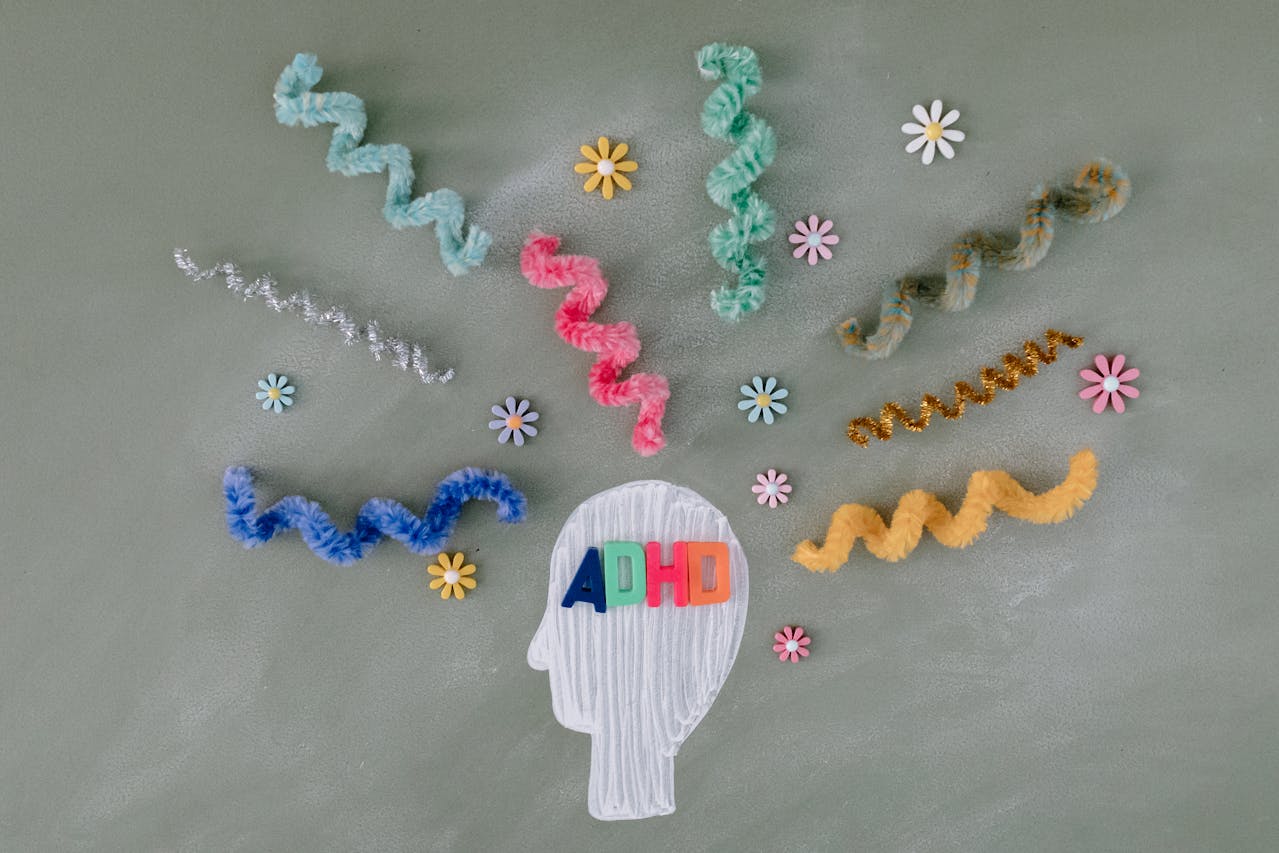
Attention-Deficit/Hyperactivity Disorder (ADHD) affects approximately 4% of the adult population, and for many women, symptoms can worsen during perimenopause and menopause. Perimenopause, the transitional phase leading up to menopause, typically lasts around 4 years, but it can range from a few months to up to 10 years. During this time, significant hormonal fluctuations can affect both physical and mental health, often exacerbating existing conditions like ADHD.
How Hormonal Changes Impact ADHD Symptoms During Perimenopause
The hormonal fluctuations that occur during perimenopause, especially the decline in estrogen, can make managing ADHD symptoms more difficult. Estrogen is crucial for regulating brain chemicals like serotonin and dopamine, which are essential for mood regulation, focus, and attention. As estrogen levels drop, neurotransmitters such as serotonin and dopamine can decrease, leading to increased ADHD symptoms like:
- Difficulty concentrating
- Increased irritability
- Low mood or feelings of overwhelm
Women who had previously managed their ADHD symptoms may suddenly feel less in control. This hormonal change can make everyday tasks and responsibilities harder to handle, leading to frustration and confusion.
Unnoticed ADHD Symptoms and Menopause Diagnosis
Many women with ADHD may not have been diagnosed before entering perimenopause. The worsening of ADHD symptoms during this time can prompt many women to seek a diagnosis, shedding light on the underlying condition that may have gone unnoticed for years. This is why perimenopause can sometimes act as a trigger for an ADHD diagnosis.
Is it ADHD or Menopause?
If you’re experiencing a combination of symptoms—difficulty concentrating, mood swings, irritability, or sleep disturbances—you may wonder if it’s ADHD, menopause, or both. It’s essential to consult with a healthcare provider to distinguish between the two. Keeping track of your symptoms in a diary or using a symptom-tracking app can help identify patterns, making it easier to discuss with your doctor.
How to Manage ADHD During Menopause and Perimenopause
If you already have an ADHD diagnosis, managing the condition during perimenopause may require adjustments to your treatment plan. For example, your doctor may suggest increasing your ADHD medication dosage or switching to a different medication. In addition, Hormone Replacement Therapy (HRT) or antidepressants may be considered to address menopausal symptoms such as hot flashes, mood swings, and sleep disturbances.
Lifestyle Changes to Help Manage ADHD and Menopausal Symptoms
In addition to medication, several lifestyle changes can help improve your mental and physical health during perimenopause:
- Cognitive Behavioral Therapy (CBT): CBT is a proven approach for managing ADHD and menopause-related mood swings. It can help regulate emotions, improve focus, and reduce stress.
- Mediterranean Diet: Following a Mediterranean diet rich in healthy fats, fruits, vegetables, and whole grains can help ease menopausal symptoms and manage weight gain, which is common during perimenopause.
- Regular Exercise: Physical activity is key to managing both ADHD and menopausal symptoms. Exercise improves sleep, reduces anxiety, and boosts mood, making it easier to focus and manage ADHD symptoms.
- Mindfulness and Meditation: Practices like mindfulness and meditation can help manage the mental and emotional challenges associated with ADHD, reducing stress and improving emotional regulation.
Conclusion
Managing ADHD during perimenopause and menopause requires a holistic approach that may involve lifestyle changes, medication adjustments, and therapy. If you’re noticing an increase in ADHD symptoms or struggling to manage the emotional effects of menopause, it’s essential to speak to your ADHD specialist about potential treatment adjustments that can help you regain balance during this time.
With the right support, women can successfully navigate this transition, improving their quality of life and maintaining better control over ADHD symptoms.
Ready to take the next step?
Book a consultation with Cardiff Menopause Clinic today.