

These treatments are for individuals for whom hormones are not recommended or who do not wish to take hormones. They are aimed at alleviating the most common menopausal symptoms, such as hot flushes and sweats. Some medications also help improve mood. Examples of these are Venlafaxine, Fluoxetine, and Citalopram. While effective, they do come with various side effects.
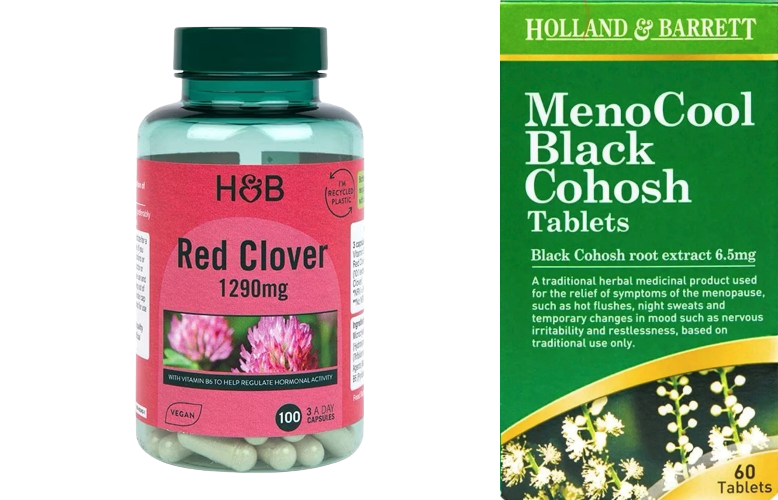
Isoflavones and herbal treatments, such as Red Clover and Black Cohosh, may be effective, but they lack support from valid studies. They are also unsuitable for breast cancer patients.
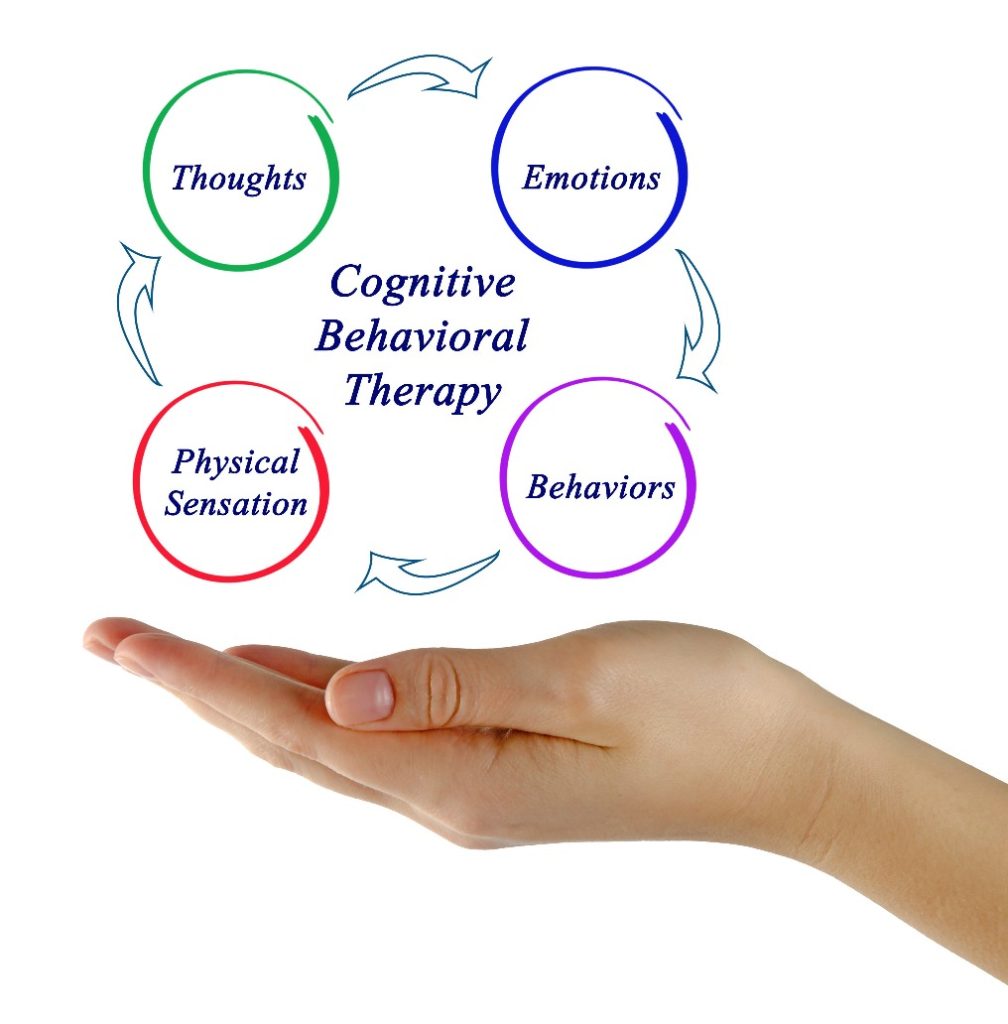
Cognitive Behavioral Therapy combines relaxation techniques, sleep hygiene, and attitude changes towards menopausal symptoms. CBT is supported by clinical studies demonstrating its effectiveness in reducing hot flushes and anxiety.

A healthy diet rich in omega-3 fatty acids, calcium, and vitamin D is recommended to support bone health.

Regular physical activity, including strength training, can help manage weight, alleviate stress, and improve overall well-being.
Ready to take the next step?
Book a consultation with Cardiff Menopause Clinic today.